
Contents
What is the origin of natural diamonds?
Why ethical diamond sourcing matters
How craftsmanship transforms a natural diamond’s beauty
Why natural diamonds speak the language of emotion
Why natural diamonds remain priceless through time
The world’s obsession with diamonds is, by no means, new. The ancient Egyptians and Romans were enamoured by them just as much as modern day celebrities who love flaunting a natural diamond on the red carpet.
The world’s first diamonds came from India, including the legendary Koh-i-Noor. Diamonds have been celebrated here for more than 3,000 years.1
No other gemstone has enchanted generation after generation quite like the natural diamond. Whether in the form of cherished heirlooms, integral parts of bridal trousseaus, or smaller gems in everyday jewellery, they continue to symbolise love, strength and timeless glamour.
Natural diamonds aren’t just beautiful; they’re steeped in meaning. Each one carries a story that spans billions of years, making it a piece of history.
Join us on a dazzling journey through time and cultures as we explore why natural diamonds remain the world’s most desirable gemstone and why their brilliance will go on long after the last one is unearthed…
What is the origin of natural diamonds?
About 3.5 billion years ago (almost a billion years after the Earth was formed), diamonds began developing deep beneath the planet’s surface. Approximately 140-200 kilometres down in the Earth’s mantle, these natural diamonds were made from pure carbon atoms that bonded and crystallised under intense pressure and temperatures as high as 1,000°C.
As the planet’s tectonic plates moved and shifted, powerful volcanic eruptions took place and caused the diamonds to surge upwards. Travelling in magma that eventually cooled in pipe-like formations closer to the Earth’s surface (known as kimberlite pipes), natural diamonds became accessible to humans, albeit via a very sophisticated recovery process. Open-pit mines have been built in the locations of these kimberlite pipes, in countries such as Canada, Australia, Russia, South Africa, Namibia and Botswana.
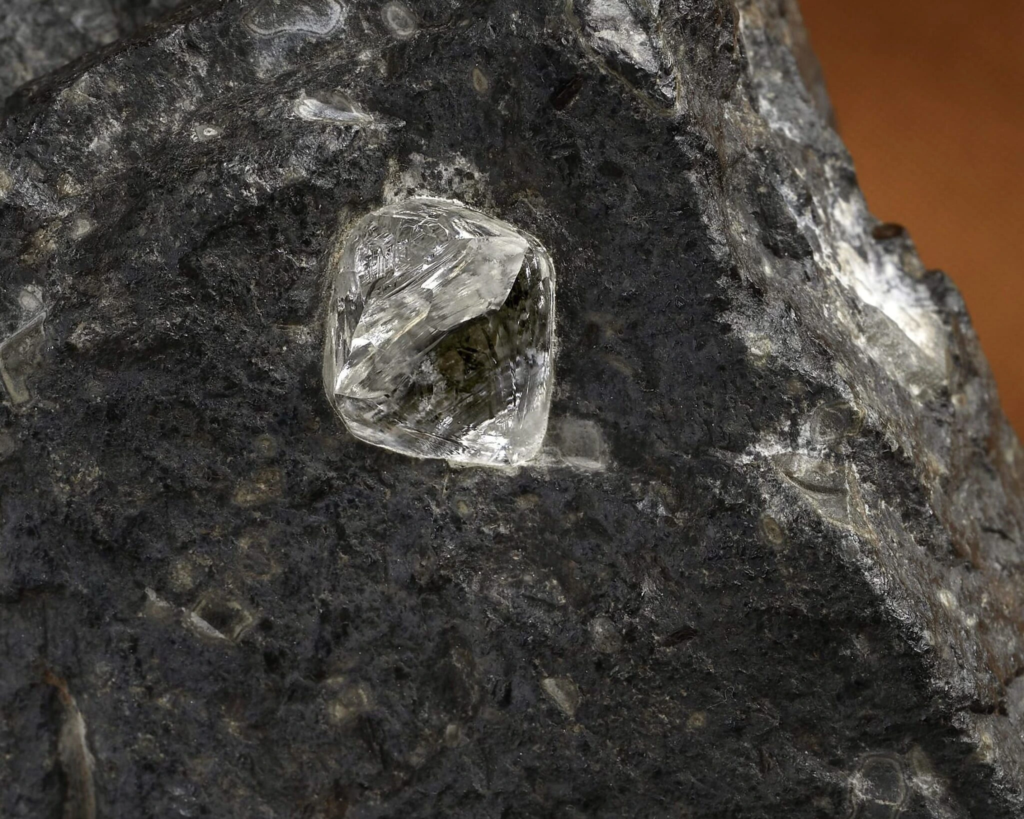
Natural diamonds aren’t only found on dry land, however. Over time, diamonds that were originally formed in the earth’s mantle and volcanically expelled closer to or onto the surface have been carried along by rivers to the ocean. Recovering these ocean diamonds, known as marine mining, is carried out offshore, predominantly in Namibia, South West Africa.
This long journey of formation and recovery is part of what makes natural diamonds individually unique. But what makes them even more rare is that the violent volcanic eruptions that occurred millions of years ago won’t happen again in our lifetime, making every natural diamond an irreplaceable treasure.
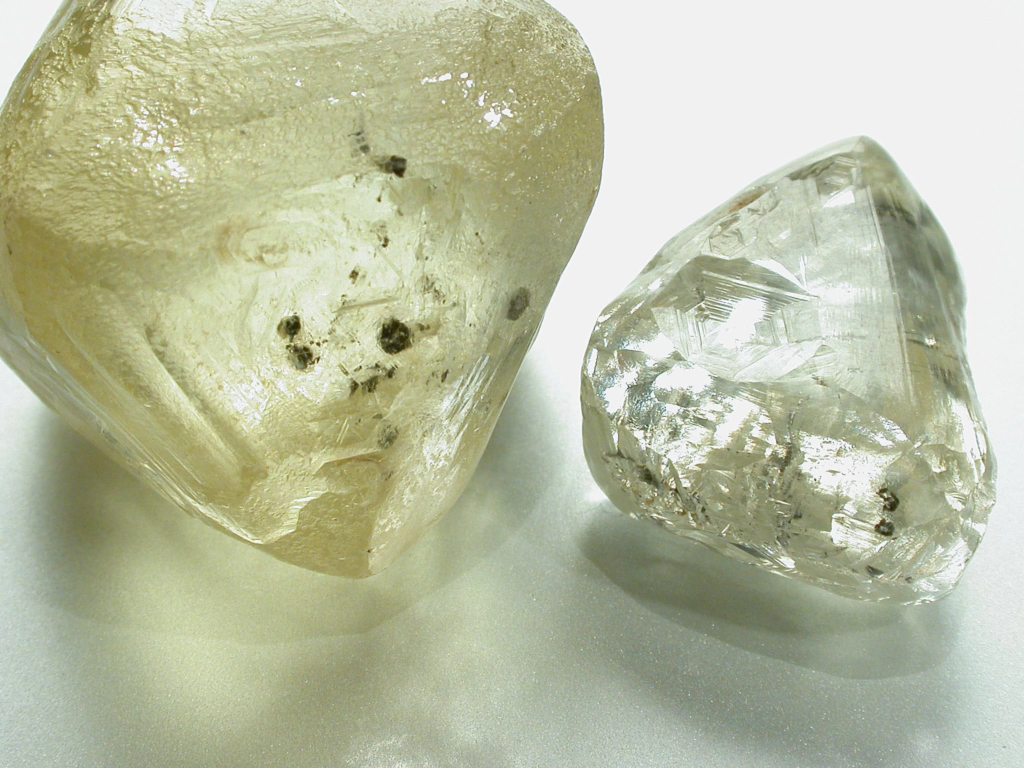
Some of the world’s most storied natural diamonds have something in common. They can all be traced to India, more specifically, the Golconda region. When French explorer and merchant Jean-Baptiste Tavernier first explored the natural diamonds of the region in 1638, he described them as “gems of the finest water”, referring to their exceptional clarity and transparency.2 All Type IIA diamonds, the gemstones from the region continue to be heralded as some of the world’s rarest, most precious natural diamonds. The most legendary among them is the Koh-i-Noor, whose original weight amounted to a whopping 186 carats when it was discovered.3
“Diamonds began forming deep beneath the planet’s surface”
Since India was the main supplier of the gemstone prior to their discovery in Brazil in the 1700s1, natural diamonds depleted swiftly. However, the country continues to play a crucial role in the global diamond market.
Today, India leads the world in diamond cutting, with Surat, in the state of Gujarat, handling over 90% of all the world’s natural diamonds.4 Diamonds that are sourced from Africa, Russia and Canada often still travel to India for cutting before they make their way to jewellery stores across the world.
Why every natural diamond needs certification
While the science behind natural diamonds can be complex, buying them absolutely shouldn’t be.
Polished diamonds larger than 0.3 carat (also known as 30 points) in size, whether natural or grown in a laboratory, come with a certificate (also called a grading report) that documents everything you need to know about it: its origin, its carat weight and its cut, colour and clarity grade.
Grading reports correspond to a microscopic inscription on either a diamond’s girdle (the ‘waist’ of the diamond) or their table (the top face) and are issued by trusted industry bodies like the Gemological Institute of America (GIA), De Beers Institute of Diamonds (IOD) or the International Gemological Institute (IGI).
Certification follows a universal diamond grading system, ensuring accuracy and transparency for every buyer.
Recently, the GIA has also updated how it grades laboratory-grown stones (LGDs), moving away from the traditional 4Cs and introducing simpler categories (‘premium’ or ‘standard’), so buyers can more easily understand the differences between natural diamonds and lab-grown products.5
Nowadays, technology plays a massive part in verifying that a diamond is natural. Gemmologists use a range of machines and programs to differentiate between natural and laboratory-grown diamonds (LGDs).
Some gem experts closely study the growth structure of a diamond’s crystals to differentiate between natural and LGDs, while others examine the colour of a diamond’s fluorescence (its glow) under ultraviolet light (natural and LGDs will typically radiate different colours due to their different growth process).
Why ethical diamond sourcing matters
When you’re investing in a natural diamond, especially one that could be passed down to future generations, its integrity and origin become as important a legacy as the diamond itself.
In India, a diamond doubles up as a proud marker of traditions and milestones, making ethical sourcing even more crucial. So, making a responsible choice that supports human rights, environmental sustainability and fair labour policies should be top of mind.
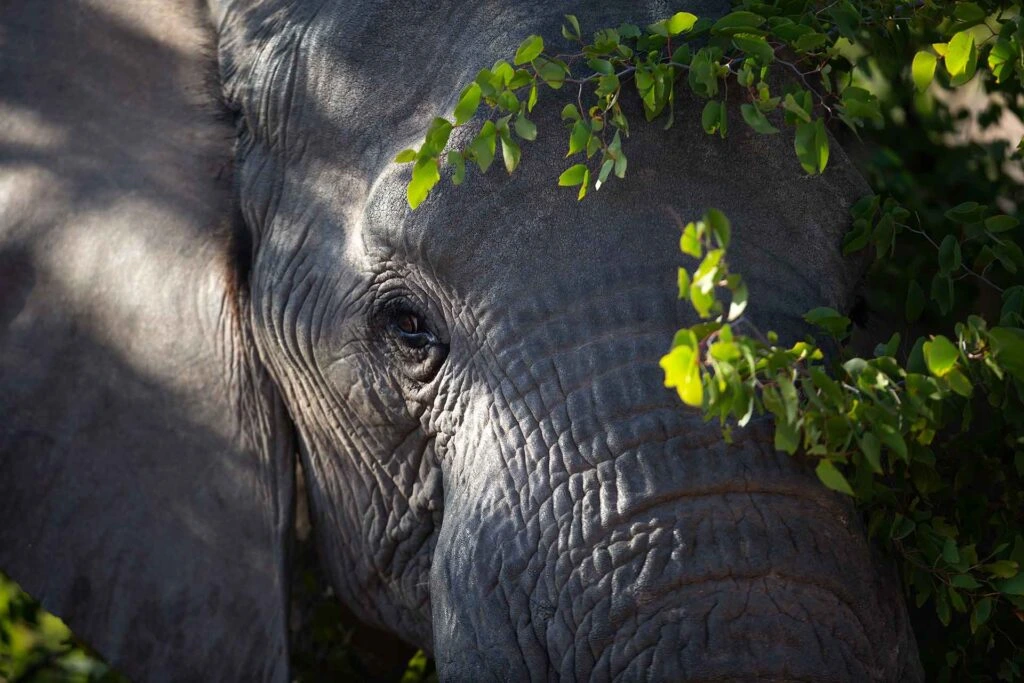
In diamond-producing nations, sustainable mining even supports wildlife rehabilitation, eco-tourism and local infrastructure.

A global responsibility
Established in 2003, the Kimberley Process Certification Scheme (often shortened to KPCS) is an international initiative created to ensure that the global diamond trade operated responsibly and transparently. Named after the South African city where discussions of the scheme first began, the programme was developed in response to international concerns about diamonds that had once been used to finance conflicts in countries like Sierra Leone, Angola and the Democratic Republic of the Congo.
Today, those wars have ended and the diamond industry operates under far stricter oversight. The Kimberley Process scheme now includes over 80 participating countries (including India) and requires strict documentation and tracking of diamonds to ensure they are conflict-free from mine to market.
Under the Kimberley Process, participating countries must meet minimum requirements to certify that their diamond exports are conflict free. Each shipment of rough diamonds must carry a tamper-proof certificate stating its origin and confirming its compliance with KPCS standards. The process also mandates that diamonds can only be traded between member countries, creating a closed loop intended to block illicit gems.
“Ethics should be your main consideration”
Benefits for the community and environment
If you think natural diamonds and sustainability don’t go hand in hand, you’ll be pleased to hear that under the right conditions, diamond recovery can bring both environmental and community benefits.
Well-regulated recovery operations and diamond companies often invest heavily in land restoration, reforestation and renewable energy projects, as well as repurpose old mine sites into wildlife habitats, parks and agricultural land, helping ecosystems recover and even thrive.
Additionally, natural diamond mines can foster thriving communities and fund vital infrastructure for the areas in which they operate, like clean water systems, housing, schools and healthcare. When revenue gained from diamond recovery is effectively invested back into a country, it creates jobs and educational opportunities and provides more social services, such as the community upliftment projects in Surat and Mumbai.

How craftsmanship transforms a natural diamond’s beauty
While a natural diamond’s unique colour and characteristics are evidence of what it has endured on its journey to above ground, its brilliance (the amount of light it reflects) and fire (the different colours it disperses) are entirely down to its cut.
The skill of a diamond cutter or diamantaire is crucial, as it can make the difference between a dull, totally lacklustre gemstone and a next-level masterpiece. A well-cut diamond reflects and refracts light in just the right way to create that disco-ball sparkle, but if a cutter misses the ideal angles, it could look flat or lifeless.
One of history’s most renowned diamond cutters is Joseph Asscher, who founded the Asscher Diamond Company in Amsterdam in 1854. The Dutchman designed the world’s first-ever patented diamond cut, the Asscher, which has a square shape with step-like facets and cropped corners.
In 1908, Asscher was presented with a once-in-a-lifetime opportunity when he was asked to work on the largest gem-quality rough diamond ever found: the Cullinan. This iconic beauty was discovered at a South African mine in 1905, weighing a record 3,106 carats. Asscher divided it into nine major gems and 96 smaller brilliant cuts—a feat that set new global standards for precision and artistry in diamond cutting.
Today, the incomparable diamond-cutting skills of artisans in Surat reflect our deep-rooted tradition of age-old crafts. It’s only fitting then that the country continues to be the world leader in a skill as specialised as cutting natural diamonds.
“The skill of a diamond cutter is crucial”
Designs that define brilliance
When you imagine a diamond, it’s likely you’re picturing a brilliant cut, shimmering with countless flashes of white and rainbow that dart off in all directions. The brilliant cut is characterised by its high number of facets (usually 57 or 58) that maximise brilliance and sparkle. The brilliant cut in a round shape is a classic choice for jewellery, especially for stud earrings and engagement rings, as the circular shape best reflects light.
If you’re after something a little different, though, there are plenty of other diamond shapes to pick from.
Let the dazzling Radhika Merchant-Anant Ambani wedding from 2024 serve as inspiration. One of our favourite diamond pieces spotted on the bride was a sculptural choker that featured a stunning solitaire diamond centrepiece and a cascade of fancy cut, pear-shaped diamonds.
We also loved the heart-shaped natural diamond that was part of a platinum brooch spotted on the groom’s red Sabyasachi sherwani that he wore for the Bidaai ceremony.
Why natural diamonds speak the language of emotion
It’s widely believed that the first recorded diamond engagement ring was given in 1477, when Archduke Maximilian of Austria proposed to his beloved Mary of Burgundy; he’d commissioned the ring to have a series of flat diamonds arranged in the shape of an ‘M’. This wildly royal gesture started a trend among the European aristocracy, who fell head over heels with the idea of using diamonds to symbolise love and everlasting adoration.
It wasn’t until centuries later, though, that diamond engagement rings and natural diamonds surged in popularity, helped by De Beers’ iconic “A Diamond is Forever” advertising campaign, launched in 1947.
Although diamond engagement rings are a relatively modern concept in India, the sentiment that a natural diamond is far more than just a dazzling piece of jewellery has always resonated – be it an auspicious for occasions such as Diwali and Dusshera or as part of wedding trousseaus.
Diamonds for love, life and self-expression
First discovered in Ancient India, diamonds were worn by kings to signify wealth and power. Because of their iridescent crystals, diamonds were a symbol of divine light and held mythical, protective powers, while their durability represented strength.
If you’re marking a milestone birthday, celebrating a promotion, honouring a personal victory, or simply treating yourself, diamonds can capture the feeling of achievement, endurance and personal power in a way few other things can.
A pair of diamond earrings can instantly make you feel a million dollars, a tennis bracelet can say “you’ve earned this”, while a diamond pendant, physically touching your skin, can hold memories close to your heart or be a powerful talisman of courage.
Why natural diamonds remain priceless through time
India is now the second-largest market for natural diamonds. As natural diamonds are a finite resource, their global supply is gradually declining. This rarity, coupled with growing demand, continues to enhance their value.
Due to their unrivalled geological origins and uniqueness, natural diamonds will always be precious and will continue to draw buyers at jewellery houses and auctions, with flawless and fancy coloured natural diamonds—the rarest of all diamonds—being the most sought after.
Given that they’re man-made, it could be said that LGDs are less coveted. This could be attributed to an oversupply of these synthetic gems, which are mass-produced and widely available. On the other hand, natural diamonds are cherished for their rarity and enduring appeal, which makes them especially meaningful as heirlooms to pass down to future generations.
A legacy that shines on for generations
Natural diamonds are far more than just adornments. They’re rare, timeless and truly, truly beautiful but they’re also little carriers of memories and legacy, especially in a land whose connection with the gemstone dates back to thousands of years. Today, natural diamonds continue to play a pivotal role in the country’s cultural and economic heritage.
Gifted or bought for momentous occasions decades or possibly centuries ago, diamonds help future generations remain connected to the past. From dropping to one knee with a family engagement ring to stepping out in an inherited vintage necklace, it’s the sentiment and the story (and the sparkle!) that steals the show.
The brilliance of a natural diamond is immune to change. It’ll forever shine—in our traditions, our celebrations, and our hearts.
Sources
- GIA, Historical Reading List: Diamonds in Ancient India ↩︎
- Only Natural Diamonds, Golconda Diamonds: The Magic and Myth ↩︎
- Sotheby’s, Discover Type IIa Diamonds, the Most Exceptional 10 Carat Diamonds ↩︎
- JCK, The View From the Diamond-Cutting Capital of the World ↩︎
- GIA, GIA to Use New Descriptive Terminology for Laboratory-Grown Diamonds ↩︎


